“How much to tow my car?” is a reasonable first question, but a transport team needs a little more information before it can give a useful answer. The vehicle, collection point, access and destination can all change the proposed job.
Give a location the driver can identify
Share the address or location pin and describe where the vehicle is within the site. An underground parking area, a locked yard and an open street are different collection arrangements. Mention barriers, access hours and any restrictions you know about.
Provide a contact number that will work at collection, and say who can meet the driver or authorise access. Avoid publishing your live location or vehicle documents in a public comment when a private booking channel is available.
Describe the vehicle without guessing the solution
- Make, model and registration reference.
- Whether keys are available.
- Whether the car can roll and steer, if known.
- Visible damage or access difficulties.
- Anything the operator should know about vehicle type or modifications.
If you do not know an answer, say so. The operator should decide what equipment and handling are appropriate; do not attempt to move or prepare the car in a way you have not been advised is suitable.
Confirm the destination and the full quote
Give the receiving address and check that the destination can accept the car. Ask whether the proposed total includes loading, transport, unloading and any identified waiting or access charges. If the assessment is provisional, ask what could change it.
Agree on the expected collection arrangement separately from the price. Availability depends on the actual job and schedule, so a general service description should not be read as a guaranteed arrival time.
Keep the booking details
Save the collection and destination addresses, vehicle reference, agreed scope and contact information. If anything changes before collection, tell the operator promptly so that the quote and equipment can be reviewed.
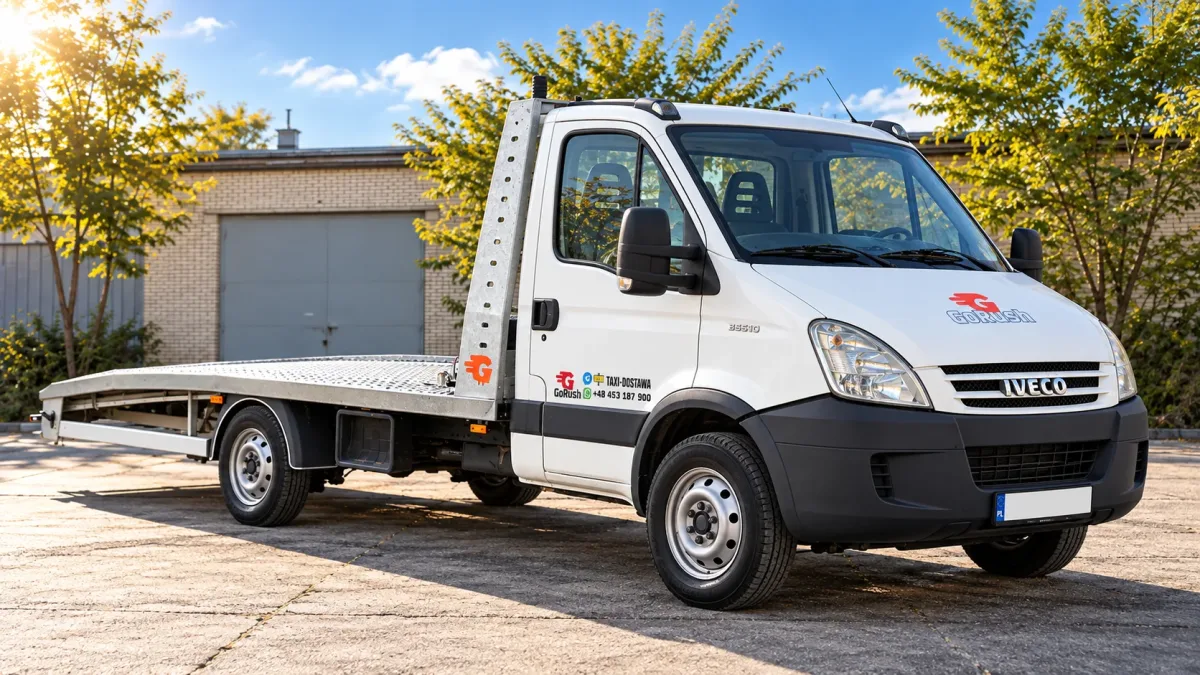
Use the GoRush towing page to request assistance and provide these details through the contact route shown. This guide concerns arranging transport; it does not replace emergency services or instructions from the professionals attending an incident.