
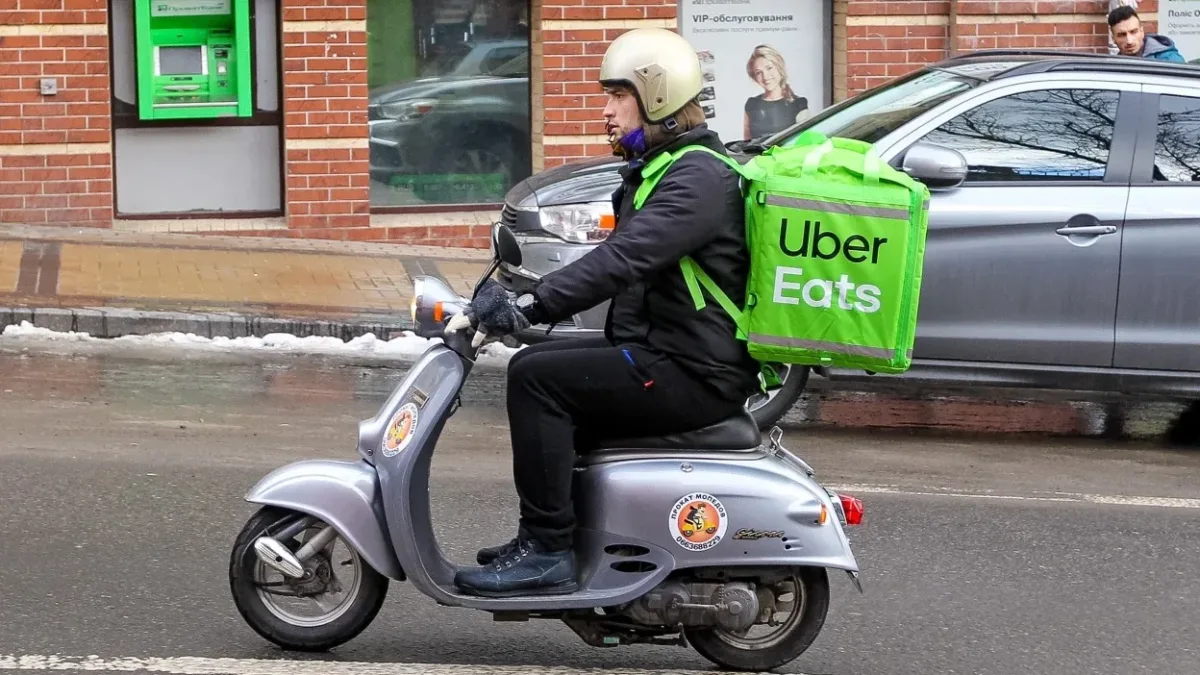
Before choosing a vehicle for delivery work, think about a normal shift. How far will you travel? How often will you stop? Where will you store the vehicle? The answers help you compare a scooter and a bicycle in a way that reflects your own day.
Start with your routes
Shorter, closely grouped journeys may make a bicycle worth considering. Longer distances or a wider working area may lead you to consider a scooter. Actual routes, legal access and local conditions matter, so avoid building an income plan around an assumed number of deliveries.
Try to picture the whole shift, including the journey to your working area and the trip home.
Compare the ongoing costs
For each option, write down the rental charge and deposit, then add the costs you expect during use. A petrol scooter involves fuel, while both options may require equipment, secure storage and suitable clothing.
Ask which maintenance arrangements and supplied accessories apply to the particular rental. A comparison is more accurate when it uses written terms rather than assumptions about what is included.
Think about comfort and storage
Consider riding position, the delivery load and how you feel after several hours outdoors. Weather can affect either option, and the equipment you need should be part of the plan from the start.
Secure parking also matters. Confirm how the vehicle should be locked, where you will keep it overnight and what to do if it is damaged or develops a problem.
Check eligibility before paying
Review the licence requirements for the specific scooter, any insurance conditions, permission for commercial use and the platform's onboarding rules. A bicycle rental may avoid some vehicle-related questions, but it does not establish your right to work or complete platform registration.
Once you have those answers, choose the option that fits your routes, budget and comfort rather than the most optimistic earnings estimate.
Explore scooter rental enquiries and bicycle rental enquiries, or contact GoRush to discuss the available vehicles.